The Future of Intercity Transportation in Bangladesh: Trends Shaping How We Travel
May 05, 2026
|
future transport
electric vehicles
expressway
Padma Bridge
smart logistics
Bangladesh development
<h2>A Transportation Revolution in Progress</h2>
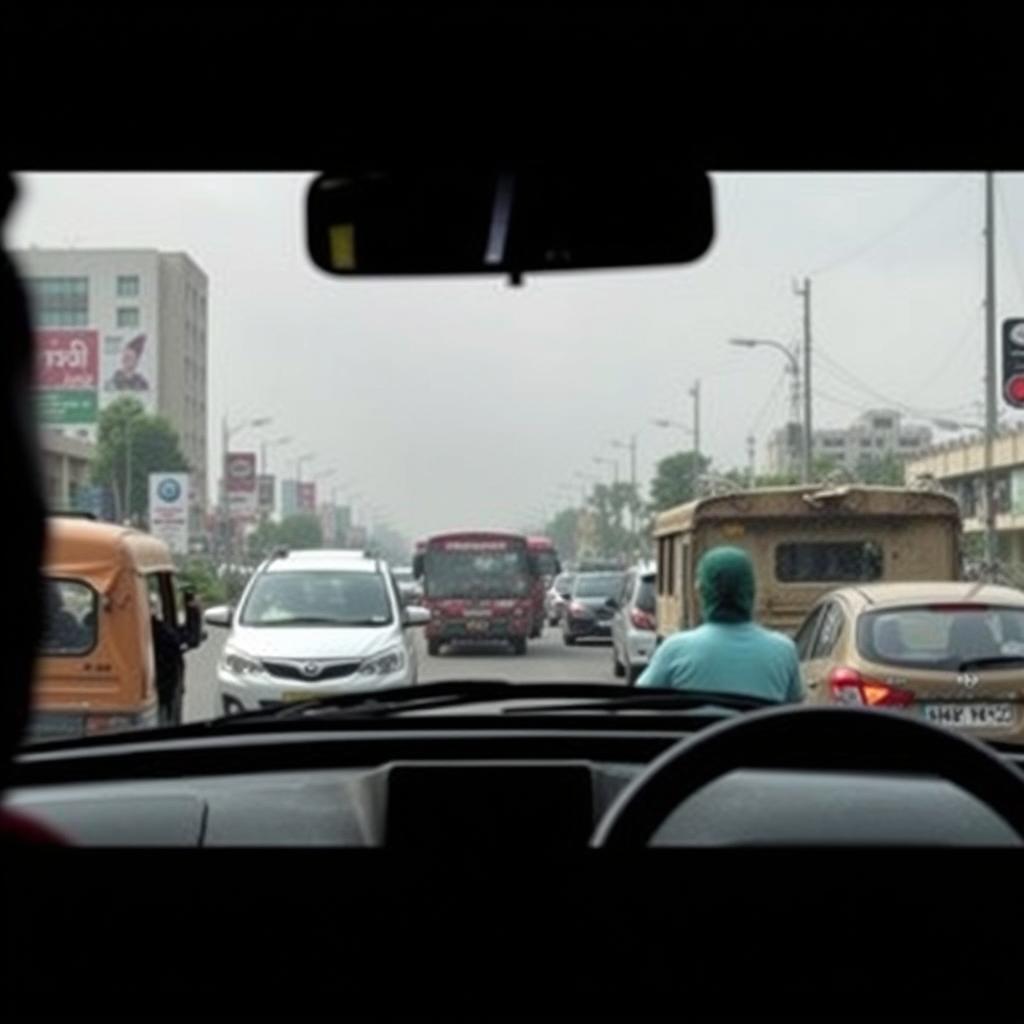
<p>Bangladesh's intercity transportation landscape is changing faster than at any point in the country's history. The Padma Bridge — a single piece of infrastructure — reduced travel time from Dhaka to the entire southwestern region by 3-4 hours and opened economic corridors that didn't previously exist. The Dhaka-Chittagong expressway, currently under construction, will cut the country's most important freight and passenger route from 5-6 hours to approximately 3 hours. The Karnaphuli tunnel in Chittagong, the Dhaka metro rail, and dozens of smaller infrastructure projects are collectively reshaping how 170 million people move across their country.</p>
<p>But infrastructure is only part of the story. Technology, changing consumer expectations, environmental pressures, and evolving business models are equally important forces shaping the future of how Bangladeshis travel between cities. Understanding these trends helps both travelers and transportation providers prepare for what's coming.</p>
<h2>Expressway Expansion: Faster Highways, New Possibilities</h2>
<p>Bangladesh's expressway program is the most ambitious highway construction effort in the country's history. The Dhaka-Chittagong expressway alone will transform the economics of the Dhaka-Chittagong-Cox's Bazar corridor. When travel time drops from 6 hours to 3 hours, day trips become feasible where overnight stays were previously required. This changes everything — from corporate travel patterns to weekend tourism to freight logistics.</p>
<p>The Dhaka-Sylhet highway widening, the Dhaka-Mymensingh expressway proposal, and planned ring roads around major cities will collectively reduce intercity travel times across the country by 30-40% over the next decade. For ride-sharing, faster highways mean drivers can complete more trips per day, reducing per-trip costs and making platform-based travel even more competitive with traditional transport options.</p>
<p>But expressways also change route economics. Toll costs on expressways are higher than on regular highways, adding ৳500-1,500 to trip costs depending on the route. Some travelers and drivers will choose the free but slower regular highway over the tolled expressway, creating a two-tier pricing model — "express" and "standard" — that platforms like Khansland Ride will need to accommodate.</p>
<h2>Electric Vehicles: Coming Sooner Than You Think</h2>
<p>Electric vehicles (EVs) are often dismissed as irrelevant for Bangladesh, but the reality is more nuanced. Bangladesh already has one of the world's largest fleets of electric three-wheelers (easy bikes), demonstrating that electric transportation works in the country's climate and infrastructure. The barriers to electric cars — high purchase price, limited charging infrastructure, and range anxiety — are real but shrinking.</p>
<p>Several Chinese EV manufacturers are eyeing Bangladesh as a market, and locally assembled EVs could reach price parity with comparable petrol vehicles within 5-7 years. For ride-sharing vehicle owners, the transition to EVs will be driven by simple economics: electricity costs roughly ৳2-3 per kilometer versus ৳8-12 per kilometer for petrol. A vehicle owner covering 100,000 km annually would save ৳600,000-900,000 in fuel costs by switching to electric — savings that would quickly offset the higher purchase price.</p>
<p>Charging infrastructure is the key bottleneck. Highway charging stations need to be deployed along major intercity routes before EVs become viable for long-distance ride-sharing. The government's EV policy, announced in 2023, includes provisions for charging infrastructure development, but implementation is still in early stages. Early-adopter vehicle owners who position themselves as EV ride-sharing providers when the infrastructure is ready will have a significant competitive advantage.</p>
<h2>The Rise of Platform-Based Transportation</h2>
<p>Five years ago, the idea of a passenger posting a trip request and receiving competitive bids from vehicle owners was novel in Bangladesh. Today, platform-based intercity travel is an established and growing market. This shift is driven by trust infrastructure — reviews, ratings, verification, and dispute resolution provide the accountability that informal arrangements lack.</p>
<p>The next evolution of platform-based transport will include dynamic pricing that responds to real-time demand (higher prices during Eid, lower prices during monsoon), multi-modal trip planning (combining ride-sharing with train or bus segments for optimal cost and time), subscription models for frequent corporate travelers, and integration with accommodation and activity booking for complete trip planning. Khansland Ride's integration with the broader Khansland ecosystem — Shop, Meal, Trip — positions it to offer this kind of integrated travel experience.</p>
<h2>Safety Technology: Beyond Human Judgment</h2>
<p>The most promising near-term safety improvement for intercity travel in Bangladesh is telematics — in-vehicle technology that monitors driving behavior in real time. Telematics systems can detect excessive speed, harsh braking, drowsy driving patterns, and phone usage while driving. For ride-sharing platforms, integrating telematics data into driver ratings creates powerful incentives for safe driving — a driver whose telematics shows consistent speeding gets flagged regardless of what passengers report.</p>
<p>Advanced Driver Assistance Systems (ADAS) — features like automatic emergency braking, lane departure warnings, and adaptive cruise control — are becoming standard in newer vehicles sold in Bangladesh. As the ride-sharing vehicle fleet naturally upgrades over time, these safety features will become common in platform vehicles, reducing accident rates without requiring behavior change from drivers.</p>
<h2>What This Means for Travelers</h2>
<p>For travelers in Bangladesh, the next decade promises faster journeys, more choices, better safety, and eventually lower costs as electric vehicles and improved infrastructure reduce the economics of intercity travel. Platform-based services like Khansland Ride will continue to replace informal arrangements because they offer something that personal networks cannot scale: trust that travels with you anywhere in the country. The future of intercity transportation in Bangladesh isn't just about better roads — it's about smarter connections between the people who need to travel and the vehicles that can take them there.</p>
<p>Bangladesh's intercity transportation landscape is changing faster than at any point in the country's history. The Padma Bridge — a single piece of infrastructure — reduced travel time from Dhaka to the entire southwestern region by 3-4 hours and opened economic corridors that didn't previously exist. The Dhaka-Chittagong expressway, currently under construction, will cut the country's most important freight and passenger route from 5-6 hours to approximately 3 hours. The Karnaphuli tunnel in Chittagong, the Dhaka metro rail, and dozens of smaller infrastructure projects are collectively reshaping how 170 million people move across their country.</p>
<p>But infrastructure is only part of the story. Technology, changing consumer expectations, environmental pressures, and evolving business models are equally important forces shaping the future of how Bangladeshis travel between cities. Understanding these trends helps both travelers and transportation providers prepare for what's coming.</p>
<h2>Expressway Expansion: Faster Highways, New Possibilities</h2>
<p>Bangladesh's expressway program is the most ambitious highway construction effort in the country's history. The Dhaka-Chittagong expressway alone will transform the economics of the Dhaka-Chittagong-Cox's Bazar corridor. When travel time drops from 6 hours to 3 hours, day trips become feasible where overnight stays were previously required. This changes everything — from corporate travel patterns to weekend tourism to freight logistics.</p>
<p>The Dhaka-Sylhet highway widening, the Dhaka-Mymensingh expressway proposal, and planned ring roads around major cities will collectively reduce intercity travel times across the country by 30-40% over the next decade. For ride-sharing, faster highways mean drivers can complete more trips per day, reducing per-trip costs and making platform-based travel even more competitive with traditional transport options.</p>
<p>But expressways also change route economics. Toll costs on expressways are higher than on regular highways, adding ৳500-1,500 to trip costs depending on the route. Some travelers and drivers will choose the free but slower regular highway over the tolled expressway, creating a two-tier pricing model — "express" and "standard" — that platforms like Khansland Ride will need to accommodate.</p>
<h2>Electric Vehicles: Coming Sooner Than You Think</h2>
<p>Electric vehicles (EVs) are often dismissed as irrelevant for Bangladesh, but the reality is more nuanced. Bangladesh already has one of the world's largest fleets of electric three-wheelers (easy bikes), demonstrating that electric transportation works in the country's climate and infrastructure. The barriers to electric cars — high purchase price, limited charging infrastructure, and range anxiety — are real but shrinking.</p>
<p>Several Chinese EV manufacturers are eyeing Bangladesh as a market, and locally assembled EVs could reach price parity with comparable petrol vehicles within 5-7 years. For ride-sharing vehicle owners, the transition to EVs will be driven by simple economics: electricity costs roughly ৳2-3 per kilometer versus ৳8-12 per kilometer for petrol. A vehicle owner covering 100,000 km annually would save ৳600,000-900,000 in fuel costs by switching to electric — savings that would quickly offset the higher purchase price.</p>
<p>Charging infrastructure is the key bottleneck. Highway charging stations need to be deployed along major intercity routes before EVs become viable for long-distance ride-sharing. The government's EV policy, announced in 2023, includes provisions for charging infrastructure development, but implementation is still in early stages. Early-adopter vehicle owners who position themselves as EV ride-sharing providers when the infrastructure is ready will have a significant competitive advantage.</p>
<h2>The Rise of Platform-Based Transportation</h2>
<p>Five years ago, the idea of a passenger posting a trip request and receiving competitive bids from vehicle owners was novel in Bangladesh. Today, platform-based intercity travel is an established and growing market. This shift is driven by trust infrastructure — reviews, ratings, verification, and dispute resolution provide the accountability that informal arrangements lack.</p>
<p>The next evolution of platform-based transport will include dynamic pricing that responds to real-time demand (higher prices during Eid, lower prices during monsoon), multi-modal trip planning (combining ride-sharing with train or bus segments for optimal cost and time), subscription models for frequent corporate travelers, and integration with accommodation and activity booking for complete trip planning. Khansland Ride's integration with the broader Khansland ecosystem — Shop, Meal, Trip — positions it to offer this kind of integrated travel experience.</p>
<h2>Safety Technology: Beyond Human Judgment</h2>
<p>The most promising near-term safety improvement for intercity travel in Bangladesh is telematics — in-vehicle technology that monitors driving behavior in real time. Telematics systems can detect excessive speed, harsh braking, drowsy driving patterns, and phone usage while driving. For ride-sharing platforms, integrating telematics data into driver ratings creates powerful incentives for safe driving — a driver whose telematics shows consistent speeding gets flagged regardless of what passengers report.</p>
<p>Advanced Driver Assistance Systems (ADAS) — features like automatic emergency braking, lane departure warnings, and adaptive cruise control — are becoming standard in newer vehicles sold in Bangladesh. As the ride-sharing vehicle fleet naturally upgrades over time, these safety features will become common in platform vehicles, reducing accident rates without requiring behavior change from drivers.</p>
<h2>What This Means for Travelers</h2>
<p>For travelers in Bangladesh, the next decade promises faster journeys, more choices, better safety, and eventually lower costs as electric vehicles and improved infrastructure reduce the economics of intercity travel. Platform-based services like Khansland Ride will continue to replace informal arrangements because they offer something that personal networks cannot scale: trust that travels with you anywhere in the country. The future of intercity transportation in Bangladesh isn't just about better roads — it's about smarter connections between the people who need to travel and the vehicles that can take them there.</p>
