Intercity Road Safety in Bangladesh: Essential Tips for Every Traveler
April 16, 2026
|
road safety
highway travel
driver fatigue
monsoon driving
vehicle safety
Bangladesh highways
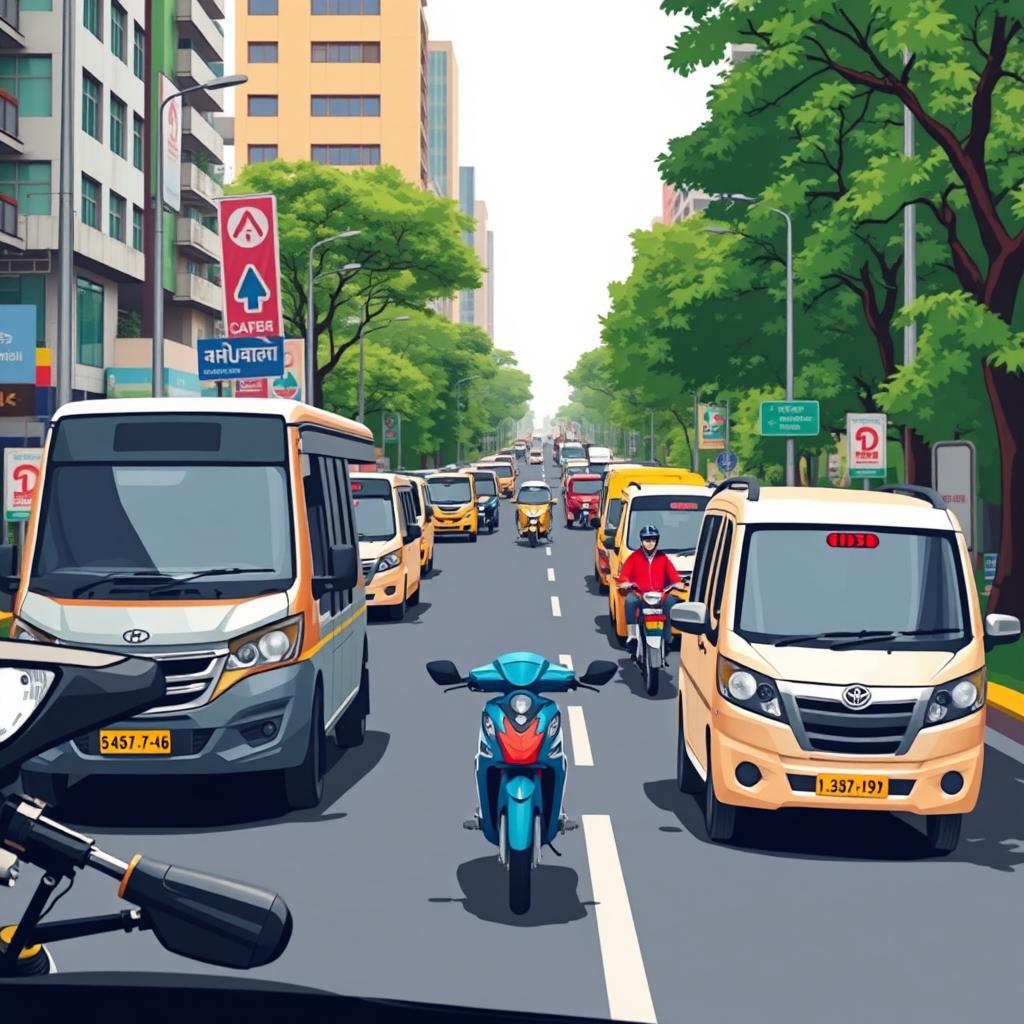
<h2>The Reality of Road Travel in Bangladesh</h2>
<p>Bangladesh has one of the highest road accident fatality rates in South Asia, with thousands of lives lost annually on the country's highways. The causes are well-documented: driver fatigue, vehicle overloading, poor vehicle maintenance, reckless overtaking, inadequate road infrastructure, and insufficient enforcement of traffic laws. As intercity travel by road continues to grow — driven by improving highway networks like the Dhaka-Chittagong highway and the Padma Bridge corridor — understanding road safety isn't just advisable, it's essential for anyone who travels between cities regularly.</p>
<p>This guide isn't about fear — it's about practical, actionable steps that significantly reduce your risk as both a passenger and a vehicle operator. Many of these steps are simple and cost nothing; they just require awareness and discipline.</p>
<h2>Before the Trip: Vehicle Readiness</h2>
<p>Whether you're driving your own vehicle or hiring one through Khansland Ride, basic vehicle checks before a long trip can prevent dangerous situations on the highway. The critical checks are tires, brakes, lights, and fluids.</p>
<p>Tires are the single most important safety component. Check tire pressure (your vehicle's recommended pressure is printed on a sticker inside the driver's door frame) and tread depth. The legal minimum tread depth in Bangladesh is 1.6mm, but for highway driving at sustained speeds, 3mm or more provides significantly better grip, especially in rain. Look for bulges, cracks, or embedded objects in the tire sidewalls. A blowout at 100 km/h on the Dhaka-Chittagong highway is a life-threatening emergency that a 5-minute pre-trip inspection can prevent.</p>
<p>Check that all lights work — headlights (both low and high beam), brake lights, indicators, and hazard lights. Night driving on Bangladeshi highways is particularly dangerous because many vehicles operate without functioning tail lights, making them invisible until you're dangerously close. Your working lights don't just help you see — they help others see you.</p>
<p>Ensure your vehicle has a functional spare tire, jack, and wheel wrench. On Bangladesh's highways, a flat tire without a spare can leave you stranded for hours. Also verify that your fire extinguisher is present, accessible, and not expired (check the pressure gauge and expiry date). Vehicle fires, while rare, are catastrophic without immediate suppression.</p>
<h2>Driver Fatigue: The Silent Killer</h2>
<p>Drowsy driving is responsible for an estimated 20-30% of highway accidents globally, and Bangladesh is no exception. The Dhaka-Cox's Bazar route (approximately 8 hours), Dhaka-Sylhet (5-6 hours), and Dhaka-Rajshahi (5-6 hours) are long enough that fatigue becomes a real risk, especially if the driver started early or drove the previous day.</p>
<p>As a passenger, you have both the right and responsibility to monitor driver alertness. Signs of fatigue include frequent yawning, drifting between lanes, slow reactions to traffic changes, missing exits or turns, and irritability. If you notice these signs, speak up: "Let's take a break at the next rest stop" is not an insult — it's a potentially life-saving suggestion. Most professional drivers appreciate passengers who care about safety rather than just speed.</p>
<p>If you're driving, follow the 2-hour rule: stop for at least 15 minutes every 2 hours of highway driving. Get out of the vehicle, walk around, have tea, splash water on your face. No destination is worth arriving as a statistic. Plan your departure time to avoid driving during your body's natural low-alertness periods (2 AM - 6 AM and 2 PM - 4 PM). If possible, avoid overnight driving entirely — Bangladesh's highway lighting and road marking quality make night driving significantly more dangerous than daytime travel.</p>
<h2>Weather-Related Hazards</h2>
<p>Bangladesh's monsoon season (June-September) transforms road travel risks dramatically. Heavy rain reduces visibility to near-zero, creates standing water that causes hydroplaning, and softens road shoulders that can collapse under vehicle weight. During monsoon, reduce speed by 20-30% below your normal highway speed, increase following distance to at least 4 seconds (double the dry-weather standard), and use low-beam headlights (high beams reflect off rain and reduce visibility).</p>
<p>Flooding is a specific hazard on lower-lying sections of Bangladeshi highways. Never drive through standing water of unknown depth — even 30cm of flowing water can sweep a car off the road. If you encounter a flooded section, stop and assess. If other vehicles are passing through successfully, note the water level relative to their vehicles and proceed slowly in first gear if the depth appears safe. When in doubt, wait it out or find an alternative route.</p>
<p>Fog is common in winter (November-February), particularly in northern Bangladesh and river-adjacent areas. Dense fog reduces visibility to under 50 meters. Slow down dramatically, use fog lights if available (not high beams), and increase following distance. If visibility drops below the point where you can see the road ahead, pull completely off the road, turn on hazard lights, and wait for conditions to improve.</p>
<h2>Seatbelts and Child Safety</h2>
<p>Seatbelt usage in Bangladesh remains far below safety standards, particularly for rear-seat passengers. The data is unambiguous: seatbelts reduce the risk of fatal injury by 45% for front-seat occupants and 25% for rear-seat occupants. Every occupant of the vehicle should wear a seatbelt for every trip, regardless of duration or speed. This is not negotiable — it's the single most effective safety measure available.</p>
<p>Children under 12 should never ride in the front seat. Children under 4 should be in an appropriate child safety seat — rear-facing for infants, forward-facing for toddlers. These seats are increasingly available in Bangladesh through online marketplaces including Khansland Shop. The investment of ৳3,000-8,000 for a quality child seat is trivial compared to the protection it provides.</p>
<h2>Emergency Preparedness</h2>
<p>Keep an emergency kit in your vehicle for intercity trips: first aid kit (bandages, antiseptic, pain medication), flashlight with fresh batteries, reflective warning triangles, basic tools (screwdriver, pliers, adjustable wrench), drinking water, phone charger (car adapter and cable), and a list of emergency numbers. Bangladesh's national emergency number is 999 (police, fire, ambulance). Highway police can be reached at 1588.</p>
<p>If you're involved in an accident or breakdown on a highway, move the vehicle off the road if possible, turn on hazard lights, place warning triangles 50-100 meters behind the vehicle, and call emergency services. Stay with your vehicle unless it's unsafe to do so (fire, unstable position). On Khansland Ride trips, the platform provides an emergency button that notifies the support team and shares your location — use it in any situation where you feel unsafe.</p>
<p>Bangladesh has one of the highest road accident fatality rates in South Asia, with thousands of lives lost annually on the country's highways. The causes are well-documented: driver fatigue, vehicle overloading, poor vehicle maintenance, reckless overtaking, inadequate road infrastructure, and insufficient enforcement of traffic laws. As intercity travel by road continues to grow — driven by improving highway networks like the Dhaka-Chittagong highway and the Padma Bridge corridor — understanding road safety isn't just advisable, it's essential for anyone who travels between cities regularly.</p>
<p>This guide isn't about fear — it's about practical, actionable steps that significantly reduce your risk as both a passenger and a vehicle operator. Many of these steps are simple and cost nothing; they just require awareness and discipline.</p>
<h2>Before the Trip: Vehicle Readiness</h2>
<p>Whether you're driving your own vehicle or hiring one through Khansland Ride, basic vehicle checks before a long trip can prevent dangerous situations on the highway. The critical checks are tires, brakes, lights, and fluids.</p>
<p>Tires are the single most important safety component. Check tire pressure (your vehicle's recommended pressure is printed on a sticker inside the driver's door frame) and tread depth. The legal minimum tread depth in Bangladesh is 1.6mm, but for highway driving at sustained speeds, 3mm or more provides significantly better grip, especially in rain. Look for bulges, cracks, or embedded objects in the tire sidewalls. A blowout at 100 km/h on the Dhaka-Chittagong highway is a life-threatening emergency that a 5-minute pre-trip inspection can prevent.</p>
<p>Check that all lights work — headlights (both low and high beam), brake lights, indicators, and hazard lights. Night driving on Bangladeshi highways is particularly dangerous because many vehicles operate without functioning tail lights, making them invisible until you're dangerously close. Your working lights don't just help you see — they help others see you.</p>
<p>Ensure your vehicle has a functional spare tire, jack, and wheel wrench. On Bangladesh's highways, a flat tire without a spare can leave you stranded for hours. Also verify that your fire extinguisher is present, accessible, and not expired (check the pressure gauge and expiry date). Vehicle fires, while rare, are catastrophic without immediate suppression.</p>
<h2>Driver Fatigue: The Silent Killer</h2>
<p>Drowsy driving is responsible for an estimated 20-30% of highway accidents globally, and Bangladesh is no exception. The Dhaka-Cox's Bazar route (approximately 8 hours), Dhaka-Sylhet (5-6 hours), and Dhaka-Rajshahi (5-6 hours) are long enough that fatigue becomes a real risk, especially if the driver started early or drove the previous day.</p>
<p>As a passenger, you have both the right and responsibility to monitor driver alertness. Signs of fatigue include frequent yawning, drifting between lanes, slow reactions to traffic changes, missing exits or turns, and irritability. If you notice these signs, speak up: "Let's take a break at the next rest stop" is not an insult — it's a potentially life-saving suggestion. Most professional drivers appreciate passengers who care about safety rather than just speed.</p>
<p>If you're driving, follow the 2-hour rule: stop for at least 15 minutes every 2 hours of highway driving. Get out of the vehicle, walk around, have tea, splash water on your face. No destination is worth arriving as a statistic. Plan your departure time to avoid driving during your body's natural low-alertness periods (2 AM - 6 AM and 2 PM - 4 PM). If possible, avoid overnight driving entirely — Bangladesh's highway lighting and road marking quality make night driving significantly more dangerous than daytime travel.</p>
<h2>Weather-Related Hazards</h2>
<p>Bangladesh's monsoon season (June-September) transforms road travel risks dramatically. Heavy rain reduces visibility to near-zero, creates standing water that causes hydroplaning, and softens road shoulders that can collapse under vehicle weight. During monsoon, reduce speed by 20-30% below your normal highway speed, increase following distance to at least 4 seconds (double the dry-weather standard), and use low-beam headlights (high beams reflect off rain and reduce visibility).</p>
<p>Flooding is a specific hazard on lower-lying sections of Bangladeshi highways. Never drive through standing water of unknown depth — even 30cm of flowing water can sweep a car off the road. If you encounter a flooded section, stop and assess. If other vehicles are passing through successfully, note the water level relative to their vehicles and proceed slowly in first gear if the depth appears safe. When in doubt, wait it out or find an alternative route.</p>
<p>Fog is common in winter (November-February), particularly in northern Bangladesh and river-adjacent areas. Dense fog reduces visibility to under 50 meters. Slow down dramatically, use fog lights if available (not high beams), and increase following distance. If visibility drops below the point where you can see the road ahead, pull completely off the road, turn on hazard lights, and wait for conditions to improve.</p>
<h2>Seatbelts and Child Safety</h2>
<p>Seatbelt usage in Bangladesh remains far below safety standards, particularly for rear-seat passengers. The data is unambiguous: seatbelts reduce the risk of fatal injury by 45% for front-seat occupants and 25% for rear-seat occupants. Every occupant of the vehicle should wear a seatbelt for every trip, regardless of duration or speed. This is not negotiable — it's the single most effective safety measure available.</p>
<p>Children under 12 should never ride in the front seat. Children under 4 should be in an appropriate child safety seat — rear-facing for infants, forward-facing for toddlers. These seats are increasingly available in Bangladesh through online marketplaces including Khansland Shop. The investment of ৳3,000-8,000 for a quality child seat is trivial compared to the protection it provides.</p>
<h2>Emergency Preparedness</h2>
<p>Keep an emergency kit in your vehicle for intercity trips: first aid kit (bandages, antiseptic, pain medication), flashlight with fresh batteries, reflective warning triangles, basic tools (screwdriver, pliers, adjustable wrench), drinking water, phone charger (car adapter and cable), and a list of emergency numbers. Bangladesh's national emergency number is 999 (police, fire, ambulance). Highway police can be reached at 1588.</p>
<p>If you're involved in an accident or breakdown on a highway, move the vehicle off the road if possible, turn on hazard lights, place warning triangles 50-100 meters behind the vehicle, and call emergency services. Stay with your vehicle unless it's unsafe to do so (fire, unstable position). On Khansland Ride trips, the platform provides an emergency button that notifies the support team and shares your location — use it in any situation where you feel unsafe.</p>
